
Qubit Coherence Times in Our 100-Atom Array: Benchmark Results
We share measured T1 and T2 values from our latest 100-atom strontium array runs and discuss what limits coherence at this scale.
Quantitative results, engineering decisions, and field notes from the Q-Factor team. Published when we have something worth saying.

How Q-Factor's AI layer detects qubit drift in real time and restores array fidelity without manual intervention, so experiments resume in minutes rather than hours.
Read article
We share measured T1 and T2 values from our latest 100-atom strontium array runs and discuss what limits coherence at this scale.

Tightening the blockade radius control from our AI calibration loop cut two-qubit gate errors by a measurable margin in internal benchmark runs.
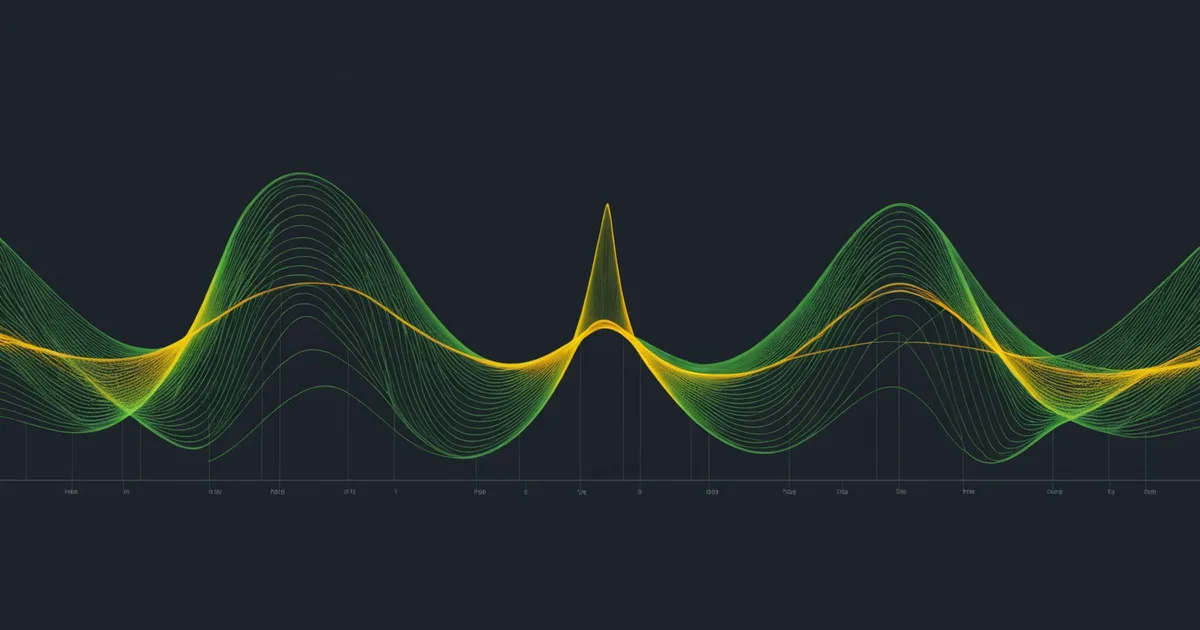
A look at the ML architecture behind our calibration agent: how it learns trap-frequency drift patterns and preemptively adjusts beam parameters.

A frank technical comparison for research teams evaluating platforms: coherence, connectivity, operating temperature, and calibration overhead.

Increasing atom count exposes optical aberration and crosstalk problems that become dominant. Here is how we are approaching them.

Surveying surface code, flag-qubit, and erasure-based approaches and how each fits the connectivity and fidelity profile of neutral-atom arrays.

Randomized benchmarking, cycle benchmarking, and gate set tomography each give different information. We explain what we use and why.

Single-atom imaging and rearrangement let us fill an array on demand. This post walks through the hardware and software stack behind it.

A practical account of training a policy to navigate the high-dimensional calibration space of a multi-beam trap controller.

Long coherence times, a clean level structure, and UV-accessible clock transitions make strontium worth the engineering overhead of blue-laser cooling.

We spent years running experiments where a third of every week went to calibration drift. That problem is solvable. This is why we chose to solve it.